
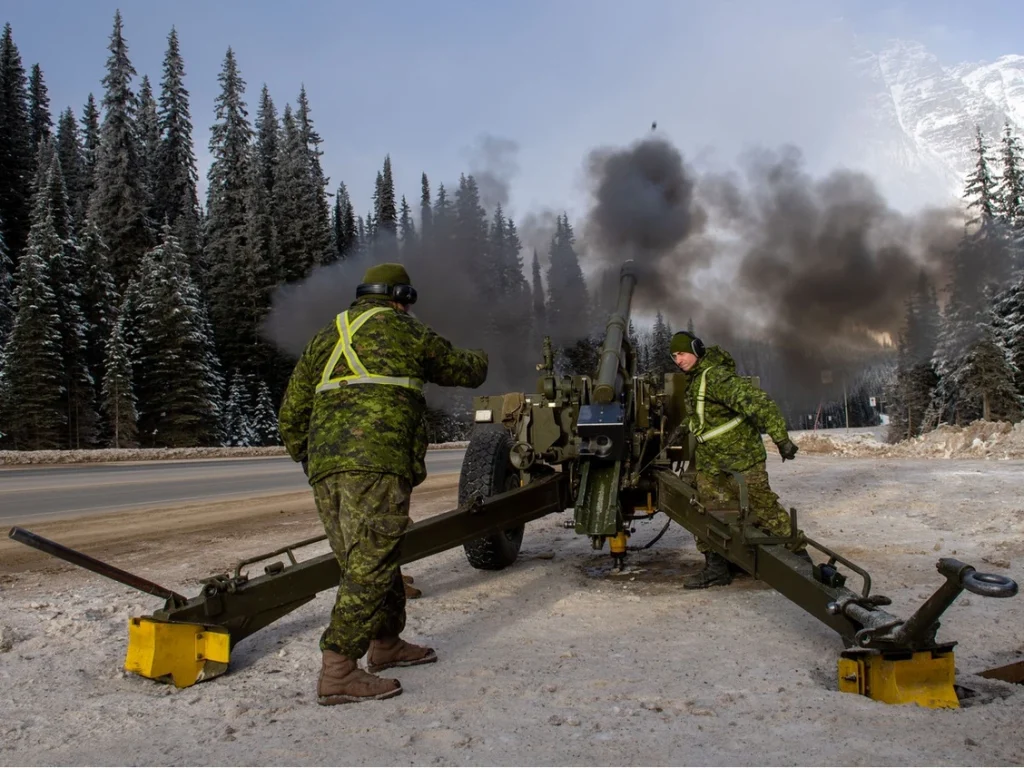
On April 30, 2026, I wrote an article for the Ottawa Citizen on the Canadian Forces’ decision to withdraw from the Parks Canada avalanche control program.
Chief of the Defence Staff Jennie Carignan is shutting down a key operation keeping avalanches under control along the Trans-Canada Highway in the Rocky Mountains because of “significant resource pressures,” according to a letter obtained by the Ottawa Citizen.
You can read the full article on the Citizen’s website: Canada’s top general says military won’t renew program to prevent avalanches on Trans-Canada Highway.
The Canadian Forces spends about $1 million annually on Operation PALACI, which involves a small team of soldiers using artillery to reduce snow buildup by triggering controlled avalanches. Carignan’s plan will see that stop in August 2027.
It’s a potentially risky decision.
More than 4,000 vehicles and up to 40 trains travel through the Rogers Pass corridor in British Columbia each day. The corridor is critical to Canada’s economy and for more than 50 years the Canadian Forces has had the job of using artillery to control avalanches along the high-mountain pass in winter. It’s estimated that the economic cost of the highway closing because of an avalanche can be as much as $3 million a hour.
The Canadian Press News Service followed my article with an update outlining the mounting criticism and opposition to Carignan’s decision. According to the Canadian Press, B.C.’s Ministry of Transportation says it is “deeply concerned” about the decision that affects the highway that carries about $65 million in commercial goods every day. Here’s more from the Canadian Press article:
The ministry says in a statement that the withdrawal of the Armed Forces “support will significantly increase closure durations through Rogers Pass at a time when both federal and provincial governments are working to strengthen interprovincial and international trade.”
The Transportation Ministry statement says it has reached out to the federal government to outline its position and has requested that Armed Forces services be extended “until alternate mitigation measures are fully in place to ensure the safe and reliable movement of people and goods.”
The issue has also drawn the attention of the federal Conservatives, who are urging the Liberal government to address how avalanche control will continue after the agreement ends.
Read the full Canadian Press story on the Times-Colonist’s website: Howitzers to fall silent when avalanche control deal in Rogers Pass ends in 2027.